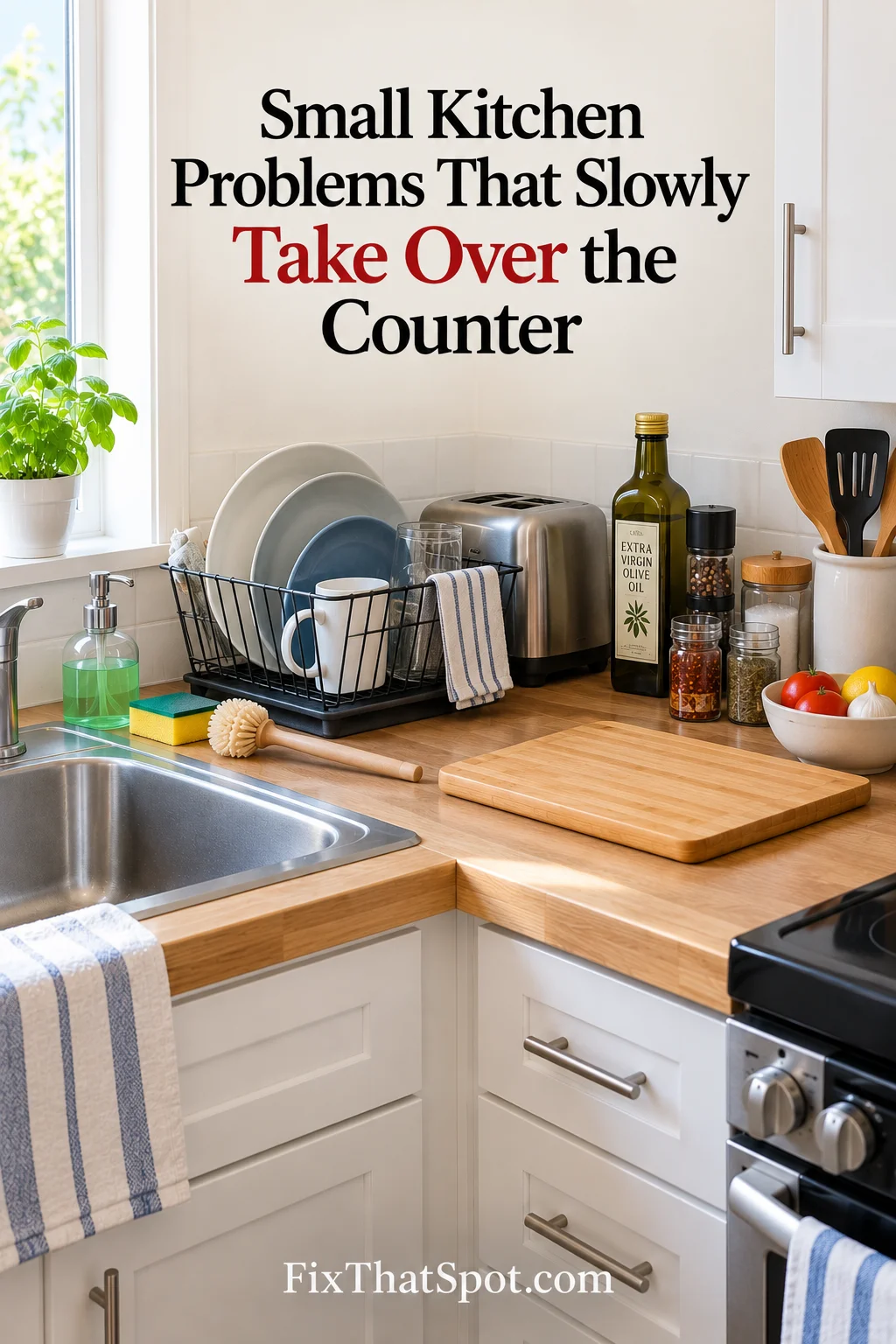
Clear a small kitchen counter and it rarely stays that way for long. The things you moved have a habit of finding their way back.
Some have good reasons for being there. The sponge needs to dry, cooking oil is useful near the stove, and the toaster probably gets used too often to live in a cabinet. Other things stay out because putting them away has become more trouble than leaving them alone.
The result is not one obvious source of clutter. It is a collection of small inconveniences that gradually leave less room for a cutting board, mixing bowl, or dinner plate.
Instead of clearing everything again, look at what keeps returning. The counter may not be where the real problem starts.
The Sink Area Keeps Getting Wider
The sponge starts beside the sink. Then the dish brush needs somewhere to dry, a cloth gets draped nearby, and the soap bottle claims its usual spot.
None of it looks especially messy. You just end up preparing food farther and farther from the sink because the wet area has quietly spread across the counter.
Giving the sponge and brush their own place to drain keeps them close without leaving everything scattered around the edge of the sink.
The soap bottle can be annoying in a different way. If the dispenser tips whenever you press it, you end up straightening it, moving it and wiping underneath it more often than a soap bottle deserves.
Small problems are easy to tolerate. They are also very good at becoming permanent.
Appliance Cords Use Space Too
A toaster or coffee maker can sit neatly against the backsplash while its cord refuses to do the same.
Push the appliance back and the extra cable ends up curled beside it or lying across the counter. Keeping the spare cord attached to the appliance gets that loose section out of the way without hiding it somewhere you will have to retrieve it later.
Then there is the appliance itself.
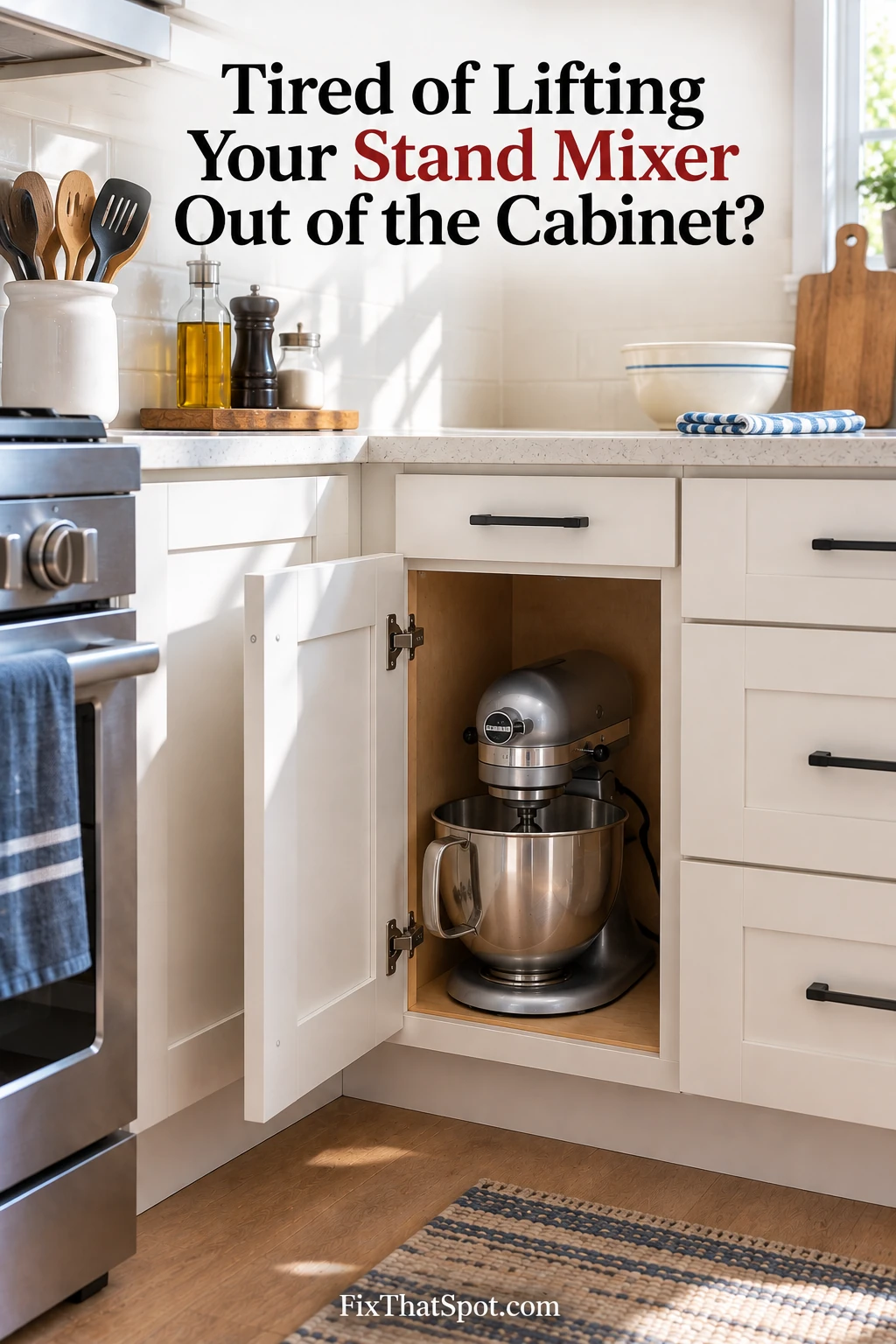
Pushing a coffee maker, air fryer, or other bulky machine beneath the upper cabinets can leave a useful patch of counter in front. The arrangement becomes less useful when you have to lift the machine forward every time you switch it on.
Making a countertop appliance easier to move without lifting makes that back-and-forth less awkward.
An appliance you use regularly may deserve its permanent spot. The cord and the empty space in front of it do not have to claim one as well.
Spices Are Convenient Until There Are Twelve of Them
Keeping a bottle of cooking oil beside the stove makes sense. So does leaving out the salt and the spices you reach for most often. The trouble starts when “most often” becomes most of the spice collection.
Soon there is a row along the backsplash. It does not stop you from using the counter, but it does make every job happen a little farther forward.
The side of the refrigerator can be useful here if you can reach it easily. Moving spices and small bottles onto a magnetic fridge rack keeps them near the stove while moving the whole collection off the worktop.
You still get to leave the cumin within reach. It just does not need its own piece of counter.
The Dish Rack Has Started Expanding
The rack itself may fit perfectly well. The problem is everything that does not quite fit inside it.
A large pan leans against one end. The water bottle goes beside it. After breakfast, a couple of mugs occupy whatever dry patch remains.
At that point, the dish rack is only the center of the drying area.
If dishes regularly spill out around it, a compact dish rack that makes better use of height can hold more without spreading farther across the counter.
But look at what is actually filling the rack first. If yesterday’s dry plates are still sitting there when today’s wet ones arrive, size is not really the problem. The rack has quietly become a cupboard without doors.
Sometimes the Counter Is Easier Than the Drawer
A spatula beside the stove can look like something nobody bothered to put away. Open the utensil drawer and the decision may make more sense.
If everything shifts into a heap, putting one spatula back can involve lifting the whisk, moving the ladle and finding a gap that disappears as soon as you close the drawer. After doing that a few times, leaving the spatula out starts to feel fairly reasonable.
Keeping utensils from sliding around inside the drawer makes putting them back much less of an event.
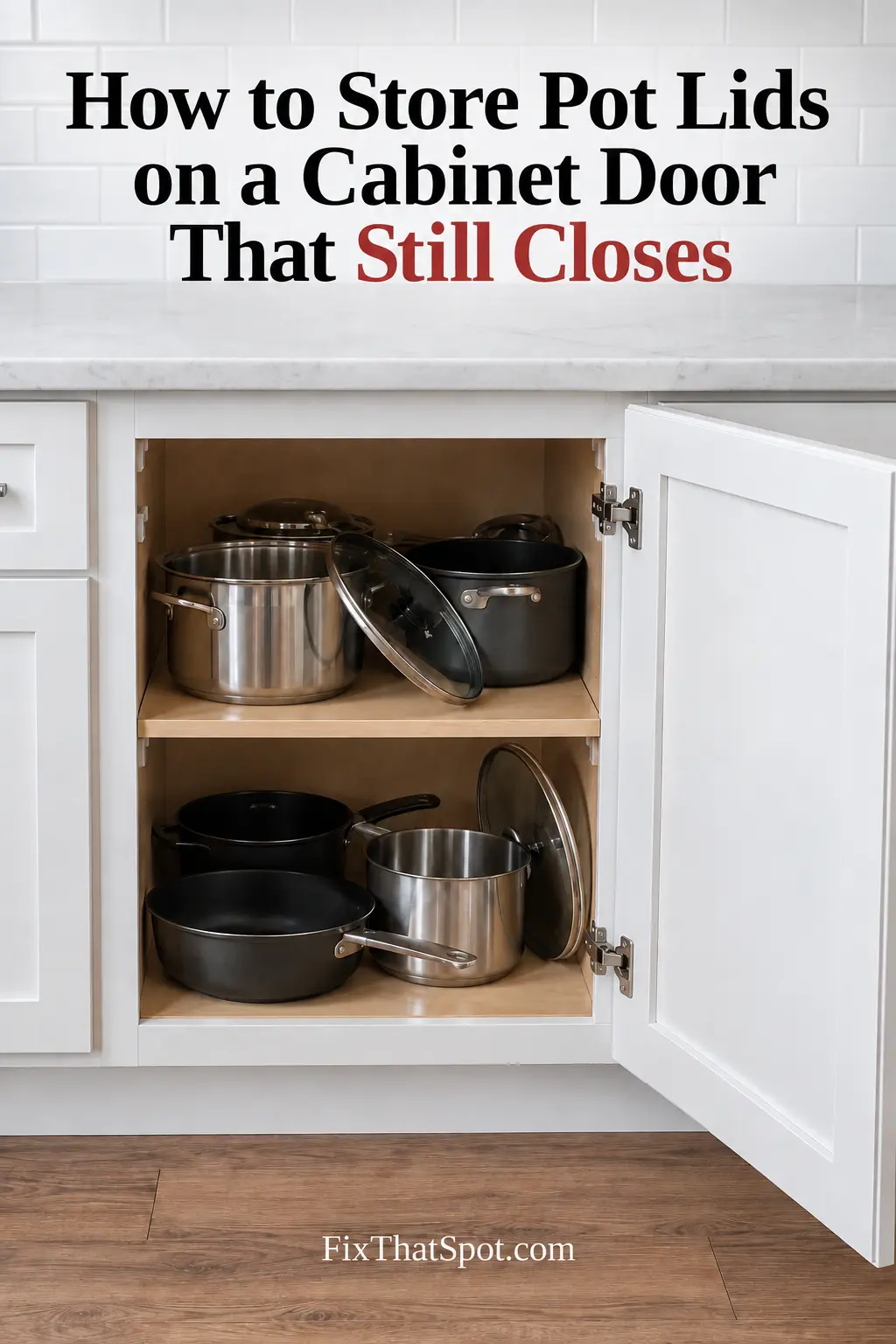
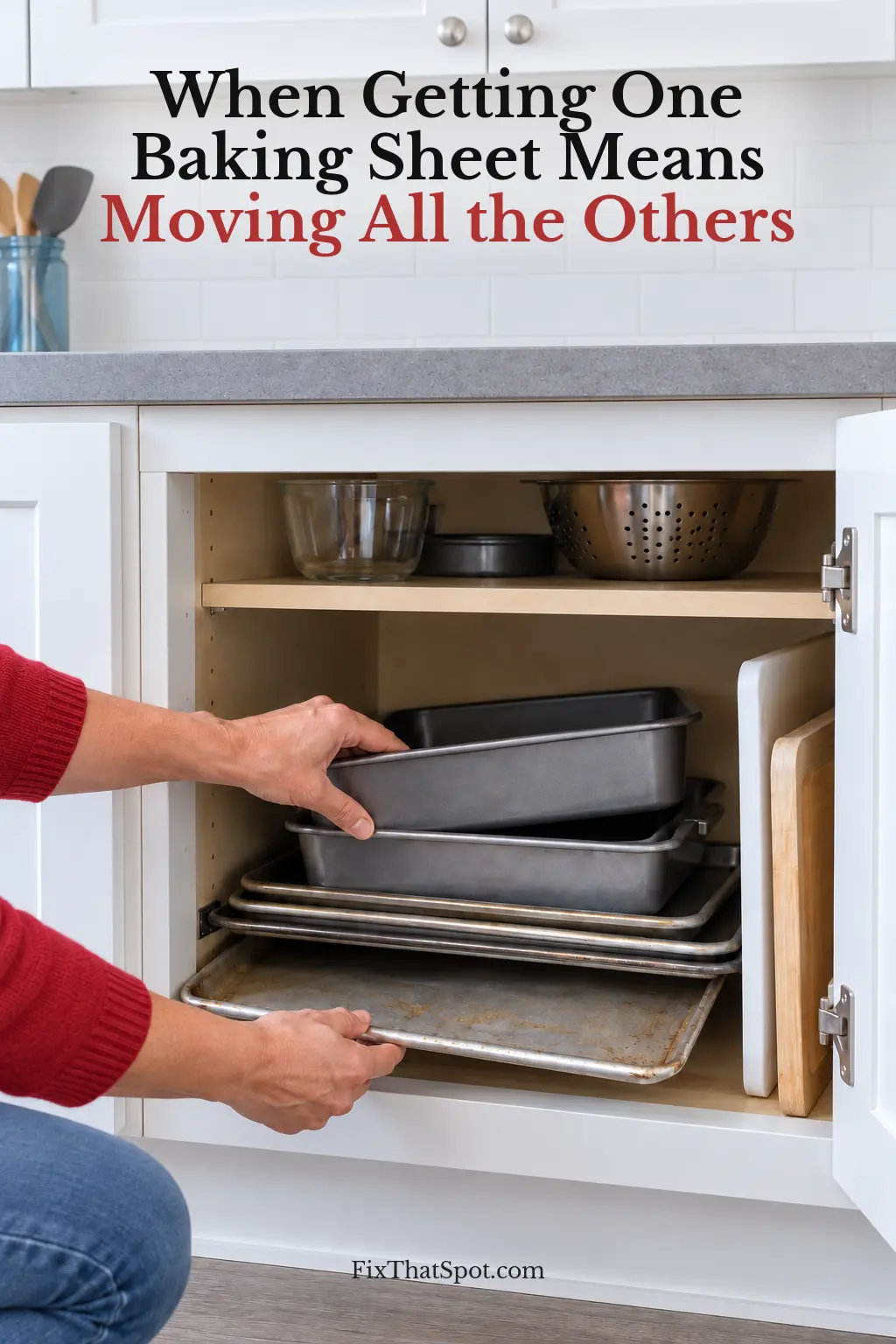
Cabinets can send things onto the counter for the same reason. A bowl has a designated shelf, but reaching it means removing the plates in front first. A jar technically fits in the cabinet, although you cannot see it once the taller containers go back.
If that sounds familiar, making crowded kitchen cabinets easier to use may do more for the counter than adding another organizer to it.
And Sometimes There Just Isn’t Room
There comes a point when rearranging the cabinets becomes a game of moving the same shortage around.
You bring home groceries and discover that the cereal will only fit if the mixing bowls come out. The rice could go where the baking supplies are, but then those need another home.
Something ends up staying on the counter. That is different from a badly arranged cabinet. If the available storage is already doing all it can, adding pantry space for food that has nowhere to go tackles the actual shortage.
A small counter does not need to be empty to be useful. The coffee maker can stay. The sponge can stay near the sink. The oil can stay close enough to grab while you cook.
What matters is having enough open space left between them to put down the cutting board without first having to clear the kitchen again.