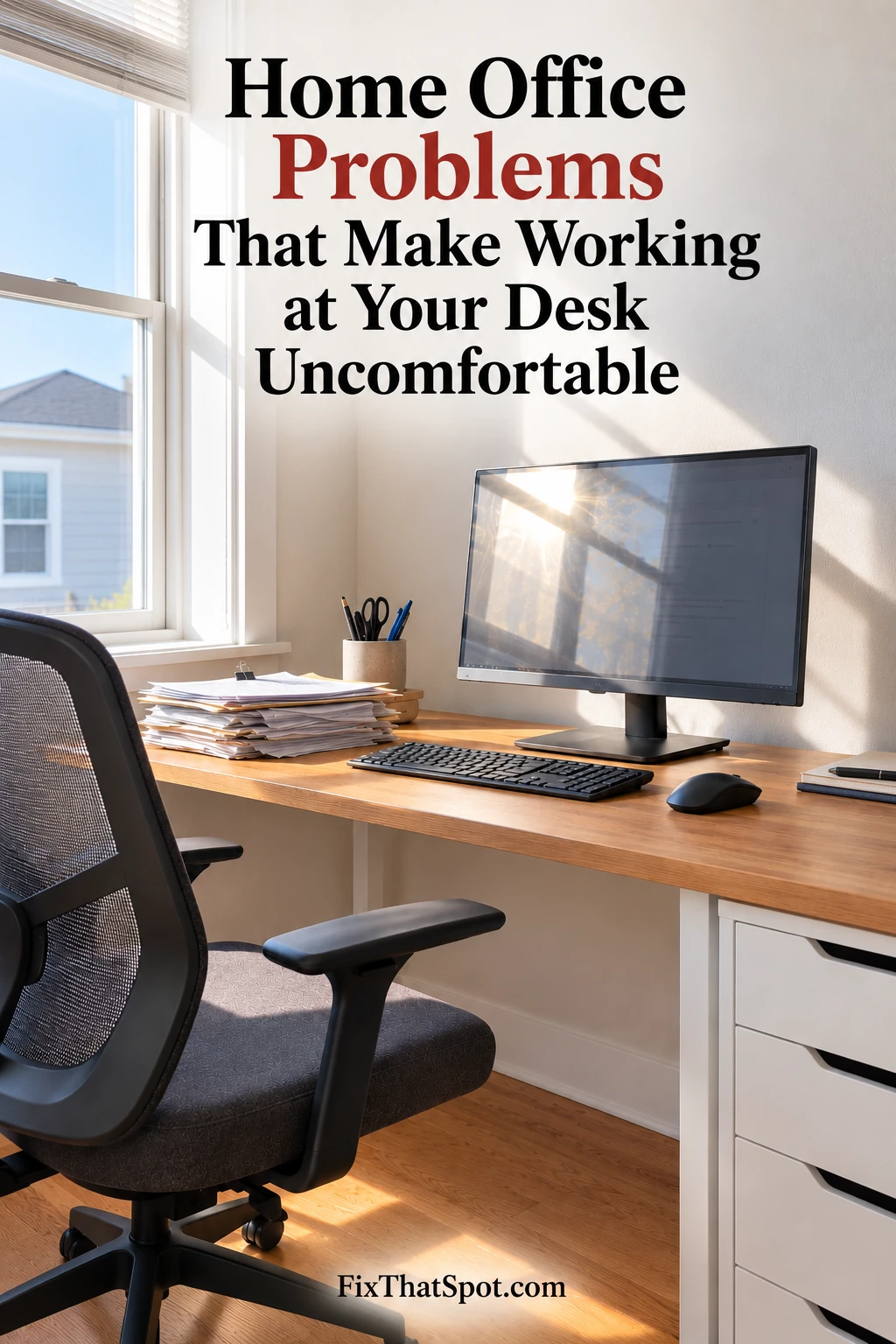
Some desks look fine until somebody actually has to sit there all day.
The monitor works, the chair works, and nothing seems obviously broken. Then around the middle of the afternoon, people start shifting around constantly because something feels uncomfortable and they can’t fully tell what’s causing it.
The neck tightens up a little. Sitting in the same position gets annoying faster than it used to. Sometimes the area near the keyboard even feels colder than the rest of the room for whatever reason.
That’s why smaller fixes like raising the monitor properly or improving harsh desk lighting end up helping more than people expect once those problems start repeating every day.
The Monitor Position Starts Causing Weird Desk Posture
A low screen changes how people sit even when they don’t notice it happening. Most of the time, somebody just keeps leaning a little closer to the monitor as the day goes on.
Then later, the shoulders feel tense, and the upper back feels stiff from staying in the same position too long.

Small desks run into this problem constantly because monitors usually end up wherever there’s room left. That’s partly why simple monitor riser setups help so much without changing anything else around the workspace.
Some Chairs Don’t Feel Bad Until Hour Three
That’s what makes desk-related back pain annoying. A lot of chairs don’t feel uncomfortable immediately. The soreness builds slowly.
By lunchtime, people start shifting around constantly. One leg tucked underneath. Leaning sideways. Sliding forward in the seat. Anything to get pressure off the lower back for a minute.

The body starts compensating in weird ways after sitting too long in the same position. That’s why smaller changes like these desk comfort fixes usually help more than expected before somebody spends money replacing the entire chair.
And for setups where the problem turns out to be posture or desk height instead of the chair itself, some of the ideas in this back pain guide make cramped workspaces feel easier to sit at for longer periods.
Eye Strain Gets Worse Later in the Day
Bad lighting usually hides itself until evening.
During the daytime, the desk seems fine. Then outside gets darker, and suddenly the screen starts feeling painfully bright compared to the rest of the room. People lean closer without realizing it. Eyes dry out faster. Headaches start showing up around dinner time.
A lot of home offices rely almost completely on overhead lighting, which usually leaves the desk area darker than people realize. That’s why better desk lighting setups often change the whole feel of the room without taking up much space.
Cold Hands Make Everything More Annoying
Cold fingers make normal desk stuff irritating fast.
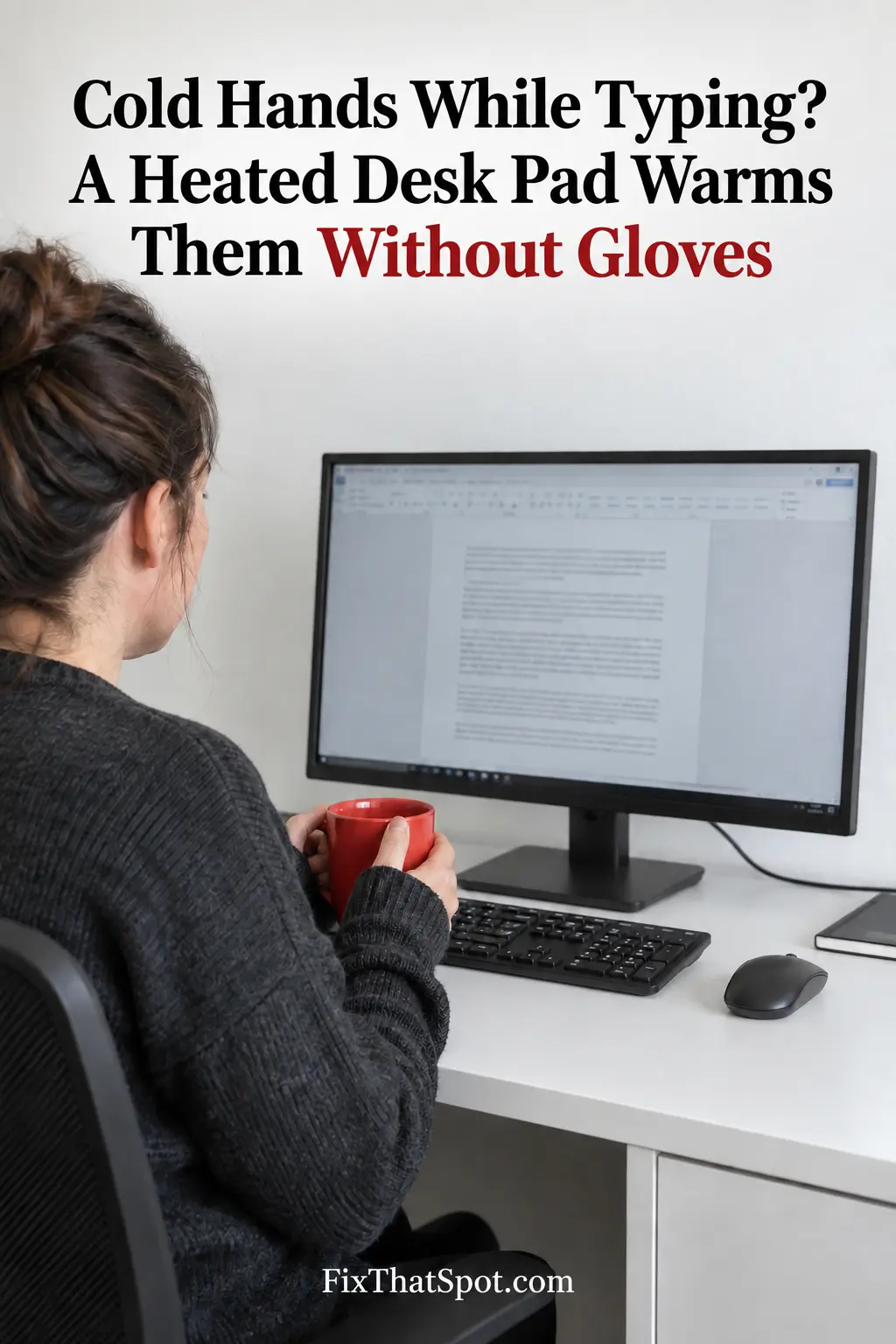
Typing gets clumsy. The mouse feels weirdly stiff. Half the time, one hand disappears into a sleeve while the other keeps working. And in colder rooms, that feeling just stays there all day.
Some people try space heaters first, but the desk area still ends up cold somehow. That’s partly why heated desk pads for colder workspaces help more than expected once winter starts settling in.
The warmth stays right where the keyboard and mouse actually are instead of floating around the room somewhere else.
After a While the Whole Setup Starts Feeling Off
Most home office problems aren’t huge on their own.
The screen sits a little too low. The chair gets uncomfortable halfway through the afternoon. The lighting feels harsher at night than it did in the morning. Small stuff.
But when the same little annoyances keep repeating every day, people start avoiding the desk without really thinking about it. Even answering a few emails starts feeling tiring before the work itself even begins.

That’s usually when people finally start adjusting things. Somebody dealing with neck tension ends up fixing monitor height. Somebody else realizes the room lighting has been causing headaches for weeks. Other people end up changing cushions, footrests, or posture after trying some of these smaller desk comfort fixes first.
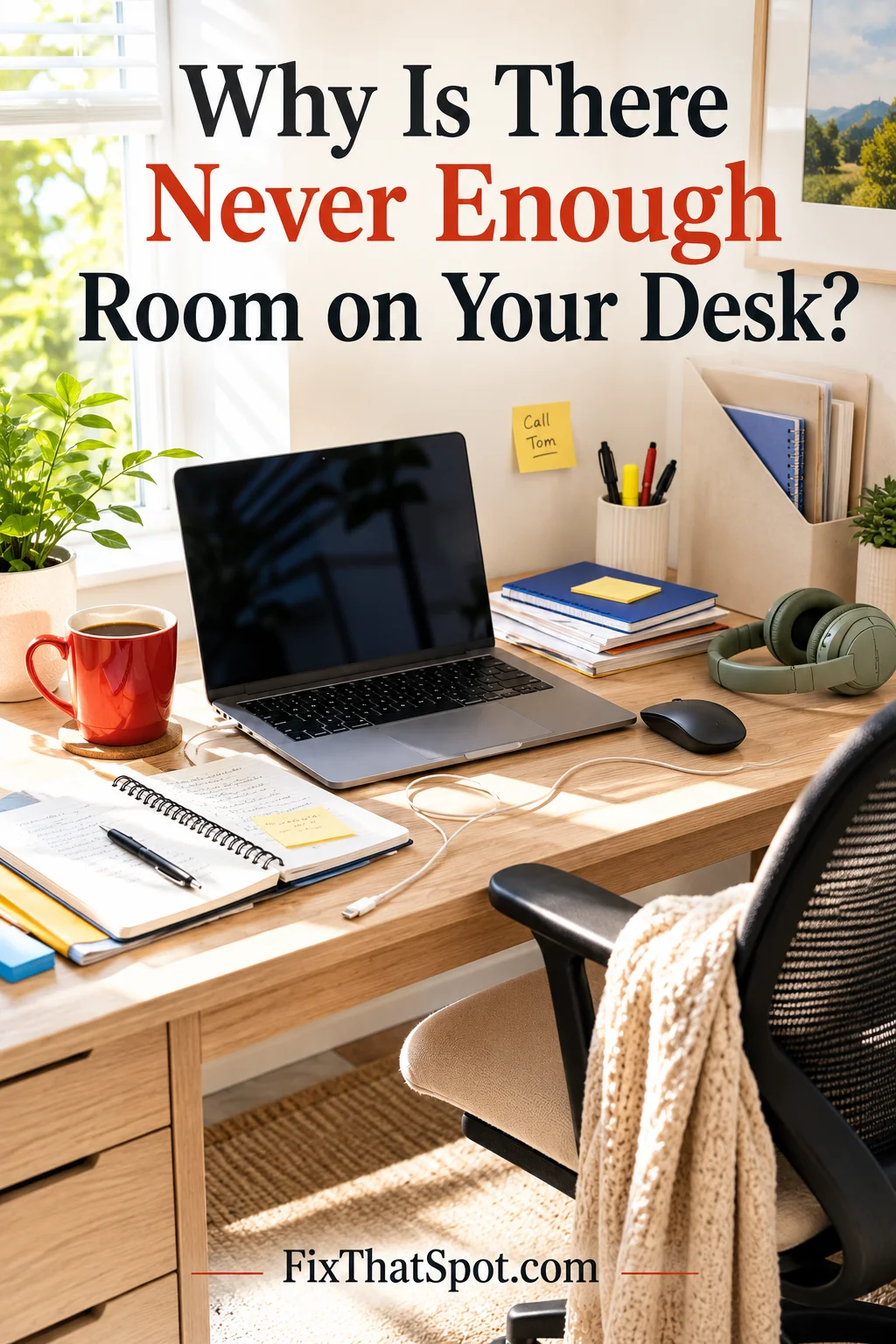
Some home office problems show up in your shoulders, neck, or eyes. Others show up on the desk itself. If you’re constantly moving notebooks, hunting for chargers, or trying to find a clear place to work, take a look at Why Is There Never Enough Room on Your Desk?
Most of the time, the problems look smaller from the outside than they feel after dealing with them every single day.